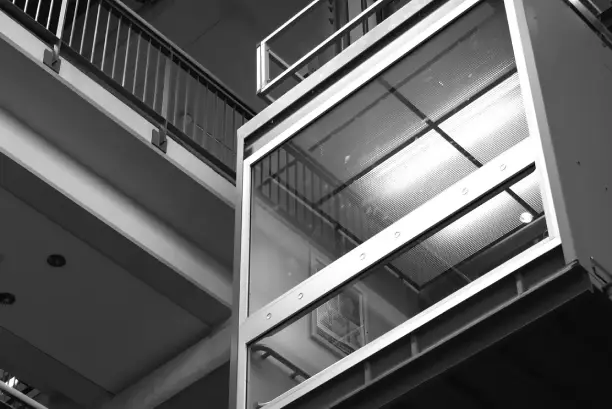
Home elevators have become a modern convenience, adding luxury, accessibility, and value to residential spaces. They make life easier for seniors, improve mobility, and enhance a home’s overall appeal.
But like any major investment, home elevators come with their own set of drawbacks that homeowners should understand before installation. In this article, we’ll explore the cons of home elevators, including cost, maintenance, and other practical concerns.
1. High Installation Cost
The biggest drawback of a home elevator is the initial installation cost. Depending on the type, size, and design, a residential elevator can cost anywhere from PKR 2 million to over PKR 10 million (or more for luxury models).
You’ll also need to factor in:
-
Construction and shaft space preparation
-
Electrical wiring and permits
-
Finishing and customization
For many homeowners, these costs can be a major consideration — especially if the elevator is not a necessity.
2. Regular Maintenance Is Essential
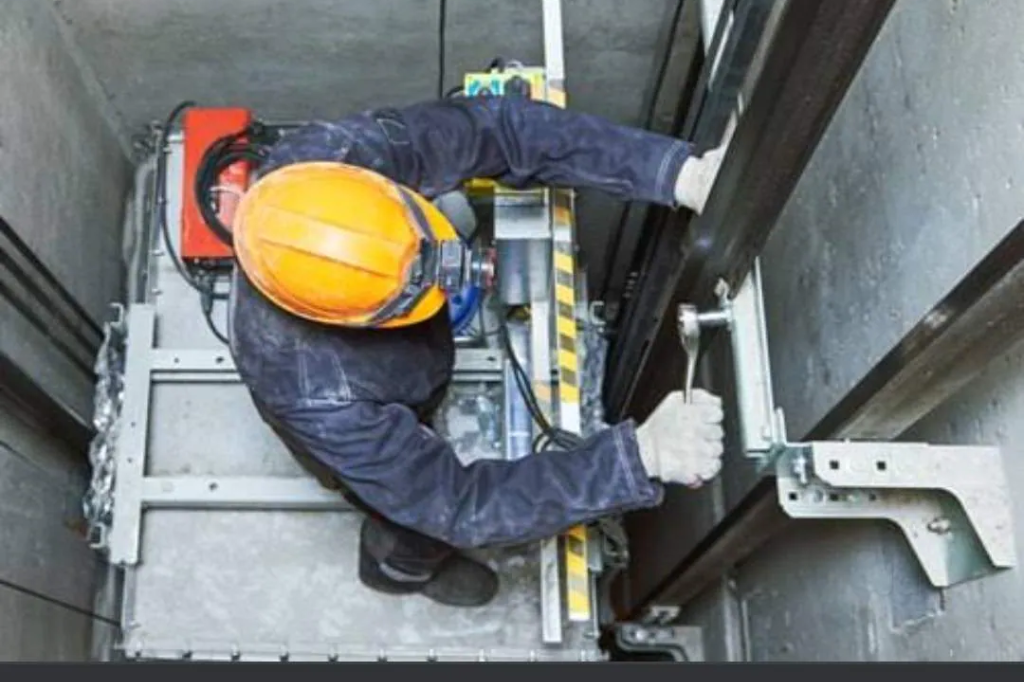
Home elevators require routine maintenance and servicing to ensure safety and smooth operation. Regular inspections, oiling, and part replacements can add up over time.
Ignoring maintenance may lead to:
-
Sudden breakdowns
-
Costly repairs
-
Reduced lifespan of the system
So, while an elevator adds comfort, it also brings a long-term maintenance commitment.
3. Space Requirements
Another key drawback is the space an elevator occupies. Even compact home elevator models need a dedicated shaft or corner area, along with space for machinery or a pit (for hydraulic models).
In smaller homes, finding this space without compromising layout or design can be difficult.
4. Power Dependency
Most elevators depend on electric power to operate. During power outages, the system may not work unless you have a backup generator or UPS installed.
This can be inconvenient and potentially risky, especially in multi-story homes where mobility depends on the elevator.
5. Potential Noise and Vibration
Although modern elevators are designed for quiet operation, some models can produce slight noise or vibration, especially hydraulic types. Improper installation or lack of insulation can make this issue more noticeable.

6. Impact on Home Aesthetics
While elevators can enhance a home’s luxury appeal, a poorly planned installation might disrupt the architectural harmony. The shaft, doors, or mechanical equipment can look out of place if not integrated with your home’s interior design.
7. Resale and Practical Value
Not all potential buyers view home elevators as an asset. In some cases, they may see it as:
-
A maintenance burden
-
Unnecessary for their lifestyle
-
A space-consuming addition
This can slightly limit your resale market, particularly in areas where multi-story living isn’t common.
Final Thoughts
So, what are the cons of home elevators?
They include high costs, regular maintenance, space needs, power reliance, and possible noise issues. While these drawbacks are real, they can be managed with proper planning, professional installation, and regular care.
If comfort and accessibility are priorities, a home elevator remains a worthwhile investment — as long as you’re aware of both its benefits and limitations.