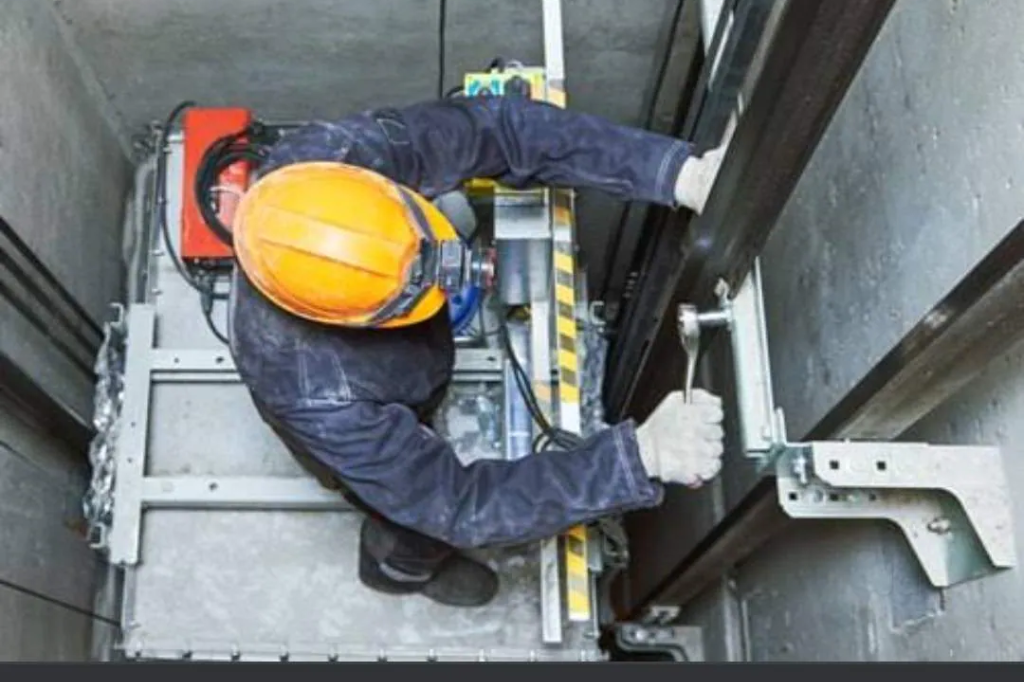
Most people step into an elevator, press a button, and forget about the world for a moment. They don’t think about the cables above them, the brakes holding them, or the machine room humming quietly out of sight. But behind every smooth ride, there is an unsung hero — elevator maintenance.
It’s the quiet ritual that keeps buildings functioning, protects thousands of passengers daily, and ensures that a single moment of inconvenience never becomes a moment of danger. Let’s explore the fascinating world of elevator maintenance in a uniquely human, story-driven way.
Why Elevators Need Care — Just Like Living Creatures
If a building were a living body, the elevator would be its heartbeat. It moves constantly, carries weight, absorbs stress, and connects levels like arteries connecting organs. And just like the human heart needs regular check-ups, elevators need consistent care.
Without maintenance:
-
They get tired.
-
They become slow.
-
They lose precision.
-
And eventually, they fail.
Maintenance is not just a checklist — it’s a lifeline.
What Actually Happens During Elevator Maintenance?
Imagine a technician stepping into the machine room:
Dust swirling. Cables stretching. Motors resting after thousands of lifts a day. The technician listens first — because elevators talk, if you know how to hear them.
Then they begin:
✔ Cleaning the machine room
Dust is the enemy of electronics and motors. Cleaning restores the elevator’s “breathing space.”
✔ Checking the control panel
A tiny loose wire can delay hundreds of commuters.
✔ Testing the brakes
The brakes are the elevator’s strongest promise to its passengers: “You will never fall.”
✔ Lubricating moving parts
Just like joints in the human body, lubrication keeps everything flexible and smooth.
✔ Inspecting doors
Most breakdowns happen here — doors sense, respond, and protect. Every step is done with precision because a single overlooked detail can cause inconvenience or risk.
How Often Should an Elevator Be Serviced?
(Think of It Like a Health Routine)**
-
Busy office buildings → Monthly check-ups
-
Residential buildings → Every 6–8 weeks
-
High-rise commercial towers → Every 2–3 weeks
-
Construction hoist elevators → Weekly
The busier the elevator, the more care it needs — just like people under stress.
The Hidden Signs of a Struggling Elevator
Before elevators fail, they whisper warnings:
-
A slight jerk when starting
-
A soft hum turning into a growl
-
Doors hesitating before closing
-
Floors not aligning perfectly
-
A strange vibration during the ride
These are not faults — they are signals asking for attention. Ignore them, and a minor issue becomes a costly repair.
Modern Elevator Maintenance – Where Technology Joins the Story
Today’s elevators are smarter.
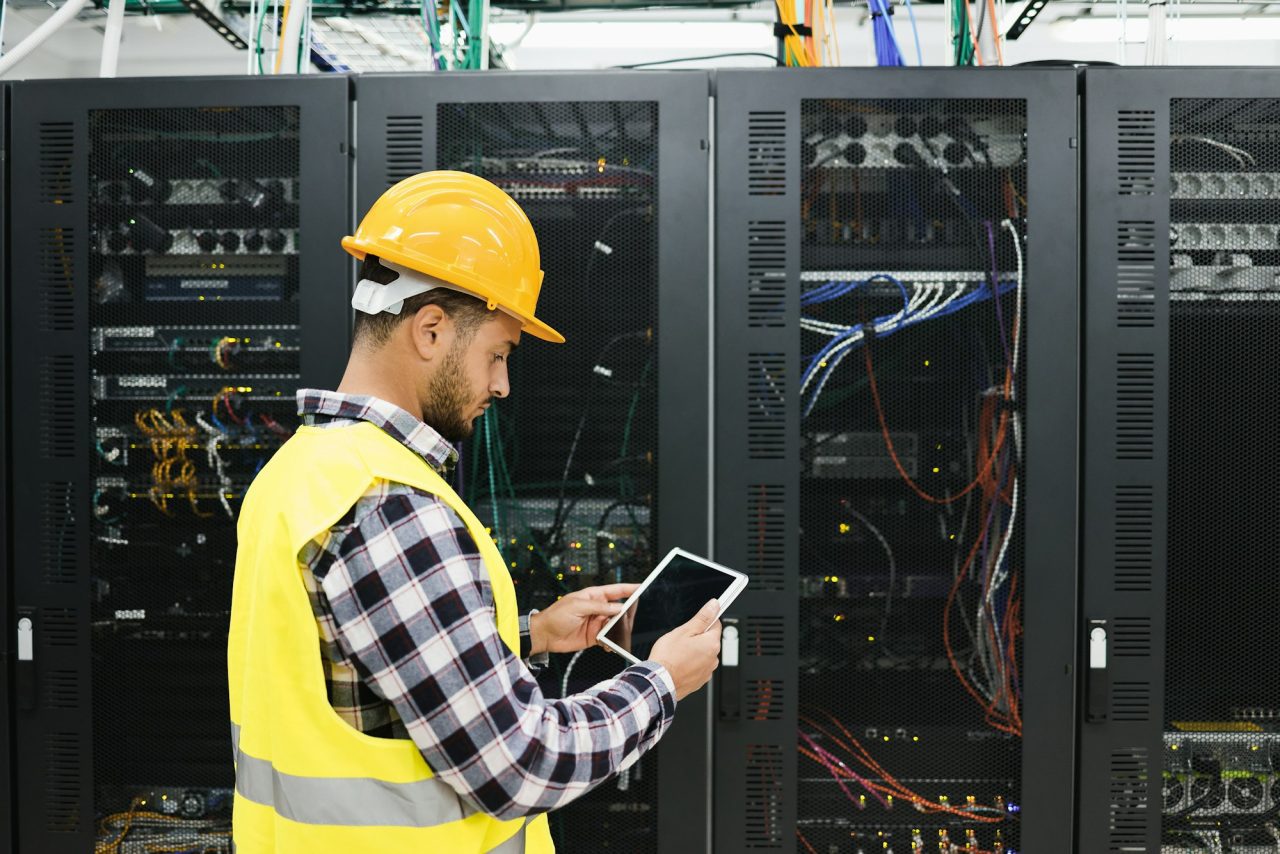
Sensors monitor vibrations. Software tracks motor performance. Predictive systems warn of failures before they happen. It’s like giving elevators the ability to speak clearly instead of whispering. Maintenance teams now use:
-
IoT devices
-
Mobile diagnostic tools
-
Real-time tracking dashboards
-
Automated fault detection
This technology doesn’t replace technicians — it empowers them.
The Result: A Safer, Smoother, More Reliable Ride
When maintenance becomes routine:
-
Passengers feel safe
-
Buildings stay efficient
-
Costly repairs stay away
-
Elevators live longer lives
People never notice good elevator maintenance — and that’s the point. Silence, smoothness, and reliability are signs of a job perfectly done.
Conclusion: Elevator Maintenance Is Not a Task — It’s a Responsibility
Every elevator carries stories — people going to work, families heading home, patients moving between hospital floors, friends visiting loved ones. Maintenance protects those stories. It ensures every ride is safe, every movement is smooth, and every building stands strong.
Elevator maintenance isn’t just technical work. It’s trust made mechanical. It’s safety made routine. It’s reliability made invisible.