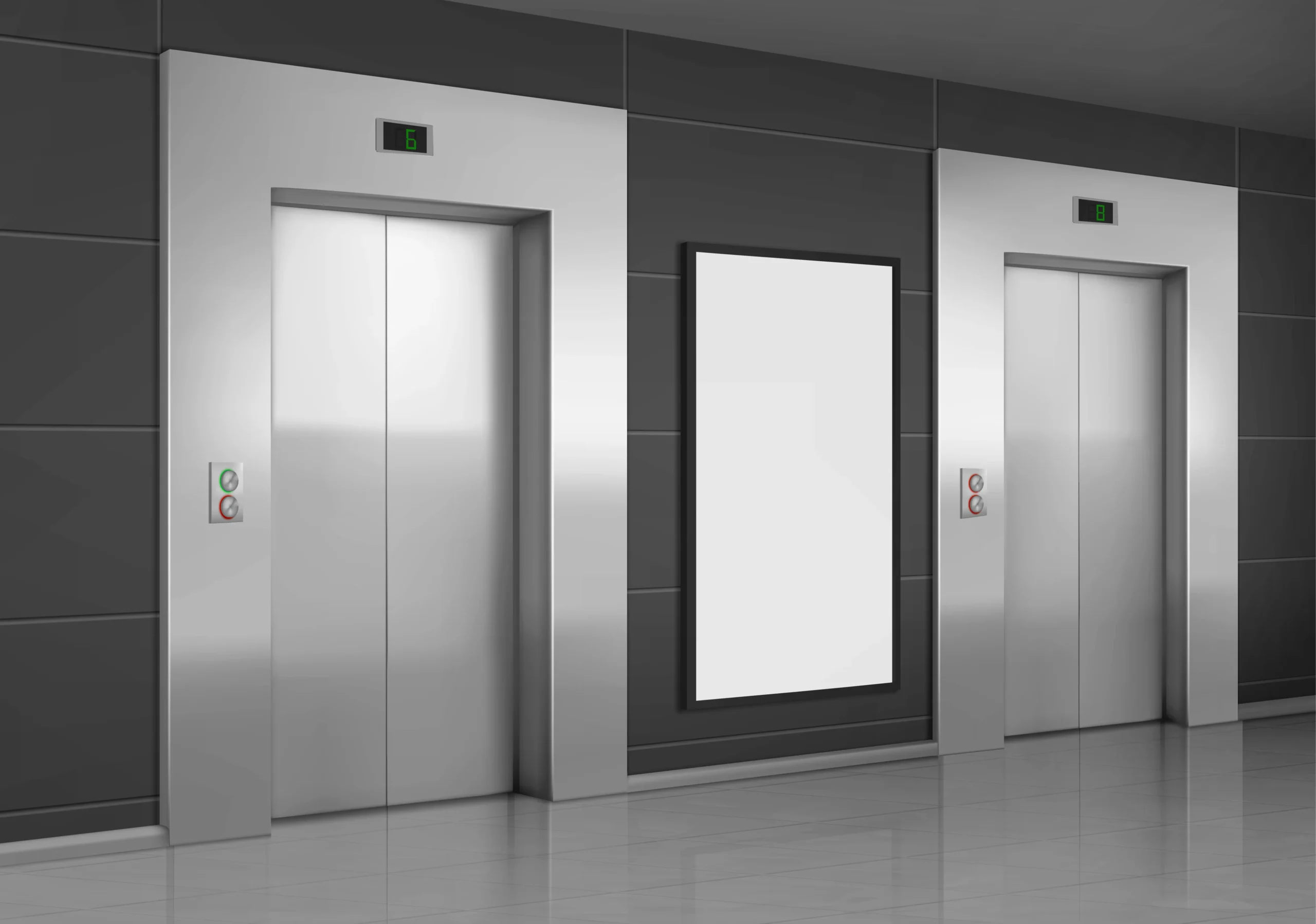
Every day, millions of people step into elevators without a second thought — riding to their offices, apartments, or hotel rooms in just a few seconds. Yet for many, a small question still lingers in the back of their minds: how safe are elevators, really?
From movies showing dramatic free falls to stories of malfunctioning lifts, elevators often get an undeserved reputation for danger. The reality, however, is far more reassuring — modern elevators are among the safest modes of transportation ever created.
Let’s uncover the truth behind elevator safety and what makes these vertical machines so reliable.
The Safety Record: Elevators Are Exceptionally Safe
According to global safety studies, elevators carry billions of passengers every year — with extremely few accidents. Statistically, the chances of being injured in an elevator are far lower than getting hurt in a staircase fall or a car accident.
In fact, elevators are designed with multiple layers of safety systems, making it nearly impossible for catastrophic failures to occur.
So when you press that button and the doors close — rest assured, you’re in one of the safest places possible inside any building.
1. Multiple Cable System: The First Line of Safety
Contrary to what you might see in movies, elevators don’t hang by a single rope. Most traction elevators are supported by four to eight steel cables, each strong enough to hold the entire car’s weight on its own.
Even if one or two cables were to fail (which is extremely rare), the others can easily support the load. This redundancy ensures passengers remain safe no matter what.
2. Automatic Braking Systems
Elevators are equipped with sophisticated braking systems that engage automatically if the car moves too fast or loses tension in its cables.
These brakes clamp the car securely to the rails inside the shaft — instantly stopping it from descending further. This mechanism is one of the main reasons elevator free falls are virtually impossible in modern systems.
3. Speed Governors and Safety Sensors
Every elevator includes a speed governor, a mechanical device that constantly monitors how fast the elevator car is moving. If it detects an unusual speed, it triggers the safety brake system immediately.
In addition, door sensors prevent accidents by detecting any obstruction — stopping the doors from closing when someone is entering or exiting.
4. Emergency Backup Power
In case of a power failure, elevators don’t simply stop between floors. Most modern lifts have emergency backup systems that bring the car to the nearest floor and open the doors automatically.
This ensures passengers are never trapped or left in complete darkness during an outage.
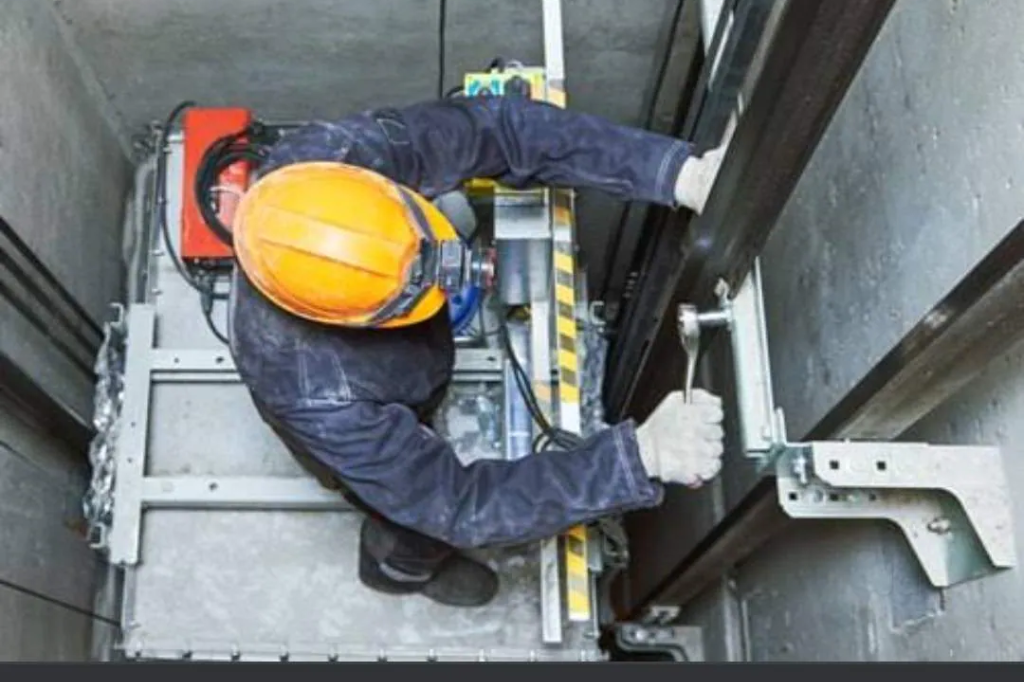
5. Routine Maintenance and Inspections
Another reason elevators are so safe is the strict maintenance protocols followed by building management and regulatory bodies.
Certified technicians regularly inspect:
-
Cable tension and motor function
-
Door sensors and brakes
-
Emergency communication systems
-
Electrical and control panels
These checks ensure the elevator operates within safety standards every single day.
6. Modern Elevators Are Smarter Than Ever
Technology has taken elevator safety even further. Today’s smart systems use AI and IoT-based monitoring to detect irregularities before they cause problems.
These intelligent elevators can:
-
Send alerts for preventive maintenance
-
Monitor vibration and door operation
-
Predict mechanical wear before breakdowns
In short, elevators are now proactive — not reactive — when it comes to safety.
7. Safety Features for Passengers
Inside the cabin, you’ll also find emergency buttons and intercom systems that connect directly to building security or maintenance staff.
Some elevators even include CCTV cameras for added security, ensuring quick response in case of any incident.
What About Old Elevators?
Older elevators that haven’t been updated in years may not have advanced safety features like AI sensors or automatic leveling. However, regular maintenance and modernization can bring them up to current safety standards.
Building owners are encouraged to upgrade older systems to ensure passengers benefit from modern safety technology.
Final Thoughts
So, how safe are elevators?
Extremely safe. Every ride you take is protected by layers of mechanical, electrical, and digital safeguards — all working together to keep you secure.
Elevators are not just a symbol of convenience; they represent engineering perfection and human trust in technology. The next time you step into one, you can do so with complete confidence — because safety isn’t an afterthought; it’s built into every movement of the lift.