When you step into an elevator, press a button, you will think how do elevators works? and rise several floors in seconds, it might feel like magic. But behind that smooth ride is a complex blend of engineering, physics, and technology working seamlessly to lift tons of weight safely and efficiently.
In this post, we’ll uncover exactly how elevators work, the key components that make them move, and why this everyday machine is one of the greatest inventions of modern architecture.
The Basic Concept Behind Elevators
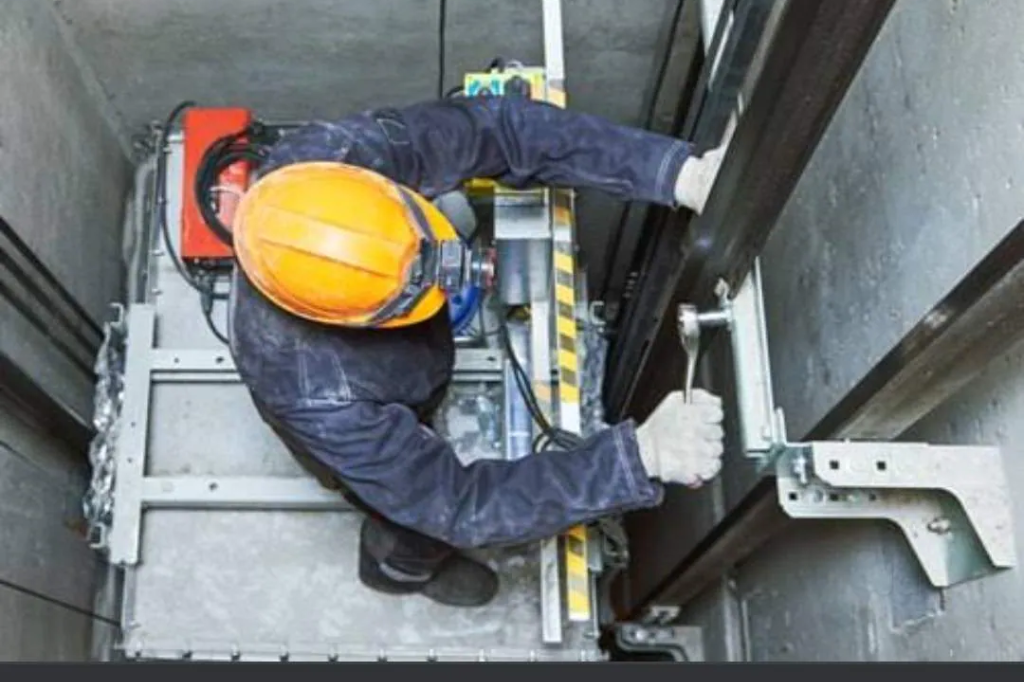
At its core, an elevator is a vertical transport system designed to move people or goods between floors. It consists of three main parts:
-
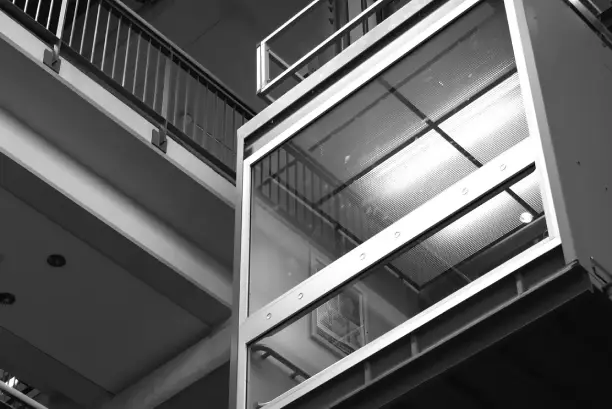
The Cabin (or Car) – The enclosed space where passengers or materials stand.
-
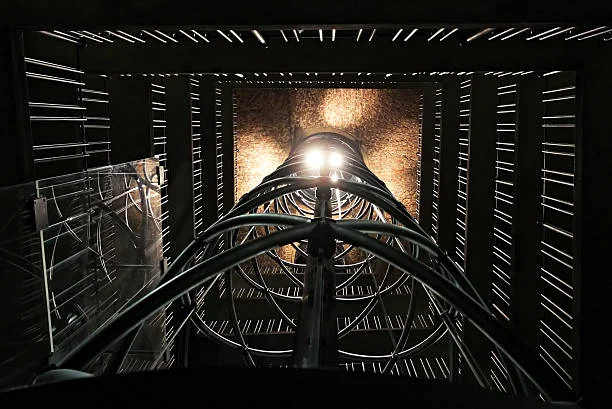
The Shaft – The vertical pathway the elevator travels in.
-
The Drive System – The machinery that powers movement — up or down.
While this sounds simple, the way these parts interact is an extraordinary example of precision engineering.
The Two Main Types of Elevators
Modern buildings primarily use two elevator systems — traction elevators and hydraulic elevators. Each operates differently depending on the building’s height, purpose, and speed requirements.
1. Traction Elevators (Rope and Pulley System)
Traction elevators are the most common type found in mid- to high-rise buildings.
Here’s how they work:
-
The cabin is attached to steel cables (ropes) that loop over a sheave (a large pulley) connected to an electric motor.
-
On the other end of the cables is a counterweight, which balances the elevator car’s weight and makes movement more energy-efficient.
-
When you press a button, the motor turns the pulley, pulling the car up or letting it down depending on the direction required.
This system reduces strain on the motor since the counterweight offsets much of the load. That’s why traction elevators are faster and more efficient, suitable for skyscrapers and commercial buildings.

2. Hydraulic Elevators (Powered by Fluid Pressure)
Hydraulic elevators are more common in low-rise buildings and residential complexes. Instead of ropes and pulleys, they rely on a hydraulic piston powered by pressurized fluid (usually oil).
Here’s what happens behind the scenes:
-
A hydraulic pump pushes oil into a cylinder, which forces the piston upward.
-
The piston lifts the elevator car smoothly.
-
To go down, the system releases the oil back into the reservoir, and the car gently lowers.
Hydraulic elevators are quieter, cost-effective, and easier to install — but they’re typically slower and less energy-efficient than traction types.
Safety Systems That Keep You Secure
Safety is the cornerstone of elevator design. Modern elevators include multiple fail-safe systems, such as:
-
Brake Systems: Automatic brakes engage instantly if the cable tension changes or power fails.
-
Speed Governors: Prevents the elevator from descending too fast.
-
Door Sensors: Stops the doors from closing when someone is in the way.
-
Emergency Power: Ensures the car returns safely to the nearest floor during power outages.
Because of these innovations, elevators are statistically one of the safest forms of transportation in the world.
The Role of Smart Technology in Modern Elevators
Today’s elevators are smarter than ever. With AI-based control systems, destination dispatching, and IoT monitoring, elevators can now:
-
Predict maintenance needs before breakdowns occur.
-
Optimize energy usage during off-peak hours.
-
Adjust travel speed based on passenger flow.
In luxury and commercial settings, touchless panels and voice-activated controls are redefining comfort and hygiene standards too.
Fun Fact: Elevators Move the World
Did you know that globally, elevators transport billions of people every single day? In high-rise cities like New York, Dubai, and Hong Kong, life without elevators would be unimaginable.
The world’s fastest elevators, such as those in the Shanghai Tower, travel at speeds of over 20 meters per second (around 45 mph) — proving how far technology has advanced since the first steam-powered lifts of the 19th century.
Final Thoughts
So, how do elevators work? In essence, they’re masterpieces of physics, balance, and engineering. Whether powered by cables or hydraulics, each component works in perfect harmony to deliver safety, efficiency, and convenience — making vertical travel as easy as pressing a button.
Next time you step into an elevator, take a moment to appreciate the brilliant mechanics behind that effortless lift. It’s not just moving you up or down — it’s moving human innovation forward.