Have you ever stepped into an elevator and wondered, “Am I being watched right now?” You’re not alone. In today’s world of advanced building security, many people are curious about whether elevators have cameras — and if so, what they record, who monitors them, and why they’re installed in the first place.
Let’s take a closer look at how elevator surveillance works and what you should know about privacy, safety, and technology behind it.
Do Elevators Really Have Cameras?
Yes, many modern elevators do have cameras installed — especially in commercial buildings, hotels, offices, hospitals, and residential complexes. These cameras are typically part of a broader CCTV (Closed-Circuit Television) system designed to enhance safety and security inside the building.
However, not all elevators have them. Smaller residential buildings or older lifts may not include surveillance systems due to cost, privacy concerns, or outdated infrastructure.
Why Cameras Are Installed in Elevators
Elevator cameras serve several important purposes beyond simple monitoring. Here’s why building owners and managers choose to install them:
-
🛡️ Enhanced Security – Cameras help deter theft, vandalism, and misconduct inside elevators. Knowing they’re being watched discourages unwanted behavior.
-
🚨 Incident Evidence – In case of emergencies, accidents, or disputes, CCTV footage provides valuable visual evidence.
-
👥 Passenger Safety – Surveillance ensures passengers feel safe, especially in buildings with high foot traffic.
-
⚙️ Maintenance and Monitoring – Modern systems can even detect unusual vibrations or door malfunctions through integrated AI analytics.
Essentially, elevator cameras are there to protect both passengers and property.
Where Are Cameras Usually Placed?
In most cases, cameras are installed on the ceiling or upper corners of the elevator cabin, offering a wide-angle view of the entire interior. The placement is carefully chosen to:
-
Capture all passengers clearly
-
Avoid invasion of personal space
-
Stay discreet and tamper-proof
The footage is then transmitted to the building’s security room or cloud-based surveillance system, depending on the setup.
Are Elevator Cameras Always Visible?
Not necessarily.
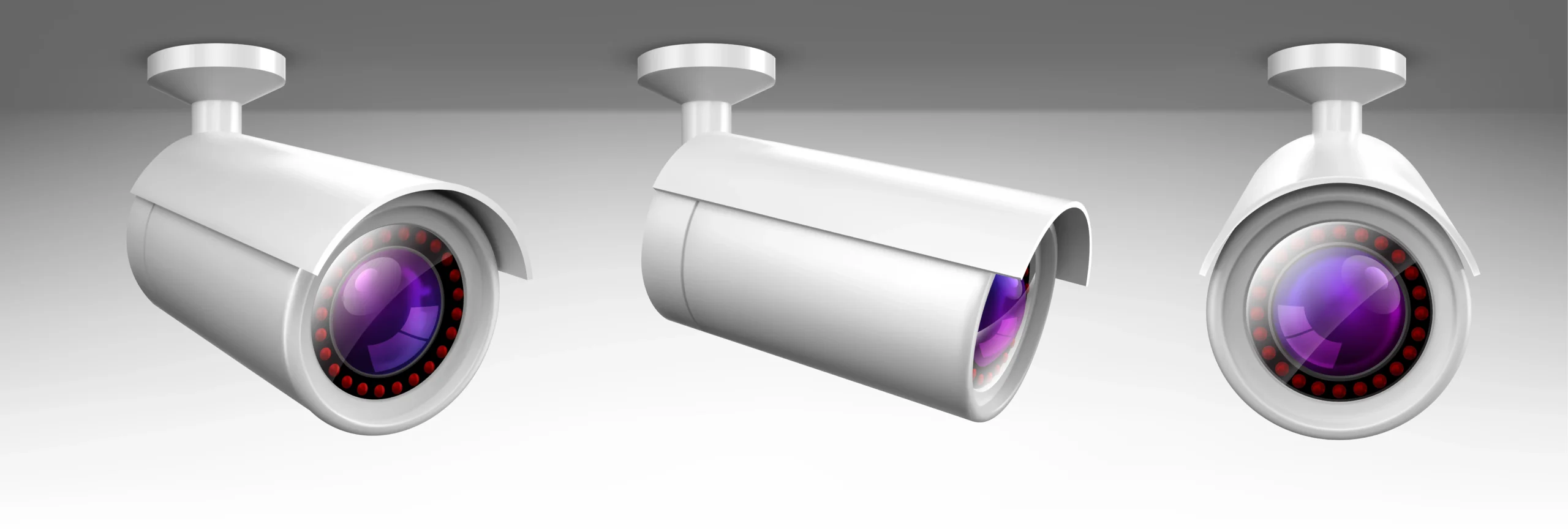
Some elevators have visible dome cameras, while others use hidden or miniature cameras built into light fixtures or panels. This depends on the building’s privacy policy and the type of security system used.
Even if you can’t see a camera, it doesn’t always mean there isn’t one. Many modern elevators are equipped with concealed systems for aesthetic and safety reasons.
Do Elevator Cameras Record Audio Too?
Most standard elevator cameras do not record audio. They capture video only due to privacy laws in many countries that restrict unauthorized audio recording in public or semi-private spaces.
However, in some high-security facilities like banks, government buildings, or airports, audio-enabled systems may be used under legal supervision.
Who Monitors Elevator Cameras?
Typically, the footage from elevator cameras is monitored by the building’s security team or stored for later review. Larger buildings may have real-time monitoring by trained staff, while smaller sites simply record and archive footage for a set number of days.
Cloud-based systems now allow remote monitoring — enabling property managers to check live footage anytime via secure login.
Privacy Concerns: Are Elevator Cameras Legal?
Yes — elevator cameras are legal in most regions, as long as they comply with local privacy and surveillance regulations. Since elevators are considered public or semi-public spaces, installing cameras is permissible for security purposes.
However, recording in restrooms, locker rooms, or private spaces remains illegal. Property owners are often required to display a notice informing occupants that CCTV surveillance is in place.
Modern Elevator Surveillance Technology
With the rise of smart buildings, today’s elevator cameras are more advanced than ever. Features include:
-
High-definition (HD) video quality
-
Infrared night vision
-
AI-based motion detection
-
Cloud storage with automatic alerts
-
Integration with access control systems
Some elevator systems even use facial recognition to improve building security and restrict access to specific floors.
Final Thoughts
So, do elevators have cameras?
In most modern buildings — yes, they do. Elevator surveillance has become a standard security feature, ensuring passenger safety, preventing incidents, and maintaining peace of mind.
While privacy is always a valid concern, these systems are designed not to intrude but to protect. The next time you ride an elevator, remember: it’s not just taking you to your floor — it’s quietly keeping you safe along the way.